OTP verification works best when delivery is fast and predictable. Messages are routed through optimized paths to reach users quickly, even during high-traffic login or checkout periods.

Reliable delivery builds trust in every verification flow. We use monitored routing and delivery status tracking so your OTP SMS journey stays consistent at scale.

OTP SMS should work 24/7, not only during business hours. Our infrastructure is designed for continuous sending and to handle volume spikes with stable performance.
OTP SMS needs broad operator reach. We support delivery across major Indian telecom networks using compliant routes. (Delivery to specific numbers can still depend on operator rules, user status, and routing conditions.)

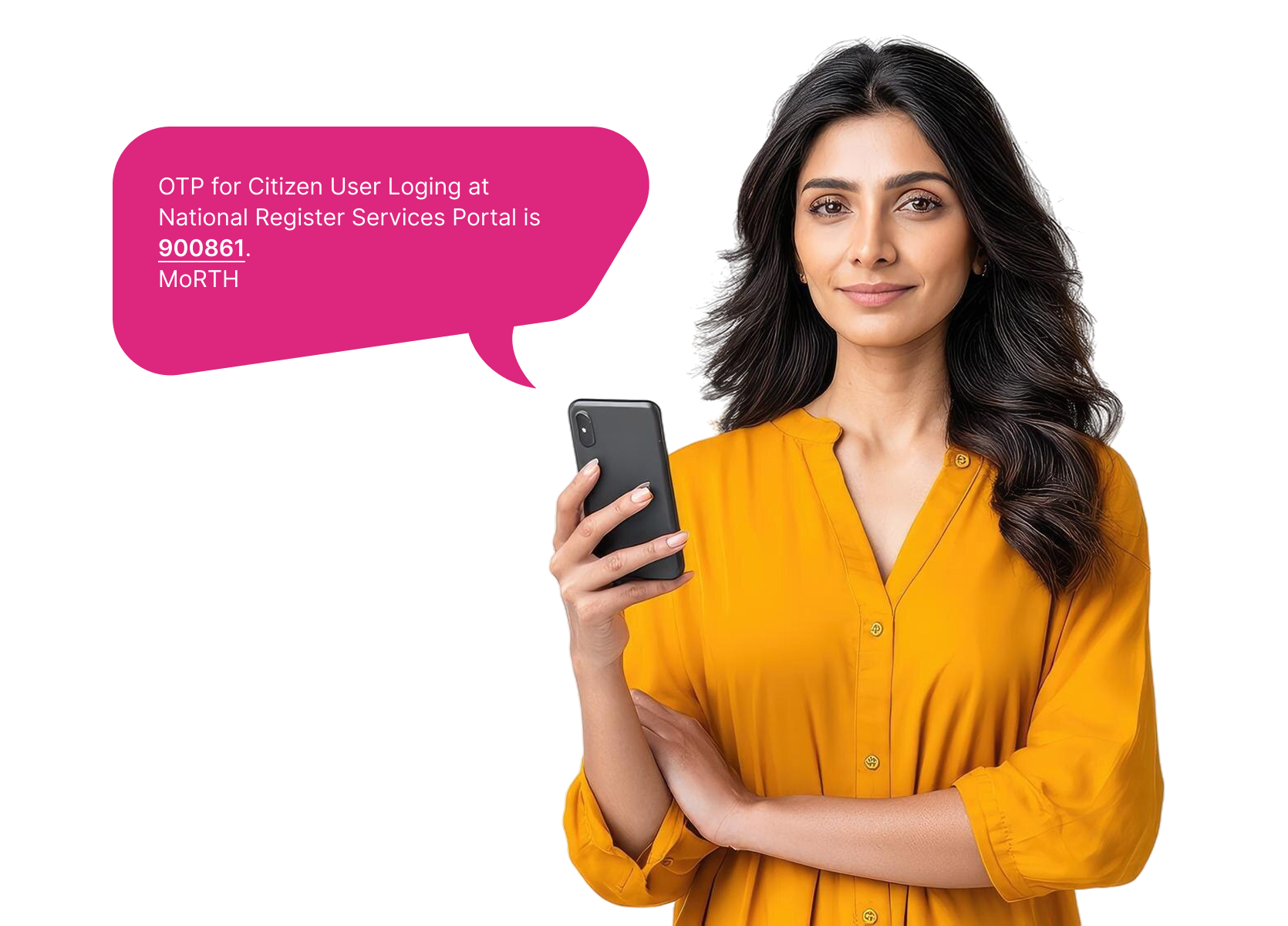
An OTP (One-Time Password) SMS is a short, time-bound code sent to confirm identity or authorize sensitive actions. It adds an extra security layer on top of passwords.
OTP SMS is commonly used for login verification, password resets, payment authentication, and sensitive account changes. Without OTP-style verification, many systems face higher risk of unauthorized access and fraud.
24/7 OTP sending, priority routing options, resend/retry controls, real-time delivery status (DLR), and security best practices like expiry + rate limiting. Optional voice fallback can be added if needed.
Keep OTP validity short (typically a few minutes). Short expiry reduces risk if a message is seen by the wrong person.
Generate unique OTPs per request and avoid reuse. This keeps each verification session independent and helps prevent replay attempts.
Use rate limiting and resend cooldowns to reduce abuse while still helping genuine users complete verification.
Backup routing and failover options can help improve OTP completion rates during network fluctuations or operator congestion.
Add security controls that detect abnormal OTP patterns (rapid repeats, unusual failure rates, bot-like behavior) and apply safeguards such as throttling or additional verification steps.
Consistent Sender ID and clean template structure improve recognition and clarity, and help reduce user confusion during OTP verification.
Onboarding typically includes business verification steps and Sender ID setup so your OTP SMS looks legitimate and stays compliant with operator expectations.
OTP workflows run smoother when templates and Sender ID are set up correctly. A consistent template with placeholders helps keep OTP messages clear and recognizable.
Integrate via REST API or SDK so OTPs trigger automatically for login, payments, password resets, and sensitive account actions.
OTP codes are generated and sent quickly through optimized routes to reduce user drop-offs in verification flows.
Verify OTPs securely server-side with expiry checks, attempt limits, and clear success/failure responses.
Use resend rules, cooldown timers, expiry logic, and optional fallback so genuine users don’t get stuck when an OTP expires or delivery fails.
Logs and analytics help you measure OTP delivery, failures, retries, and trends—so you can continuously improve verification performance.
OTP SMS best practices focus on clarity + control: short messages, short expiry, recognizable Sender ID, attempt limits, and measurable delivery.
OTP SMS is used across industries—from logins and checkouts to healthcare portals and employee systems—because it works on almost any phone and is easy for users.
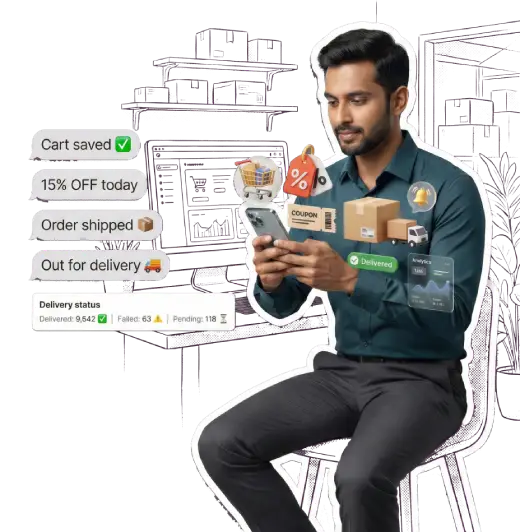
Retail & eCommerce: OTP SMS helps secure signup/login, password recovery, and checkout verification.
Banking & finance: OTP SMS adds a second step for sensitive actions such as secure access and payment confirmation.
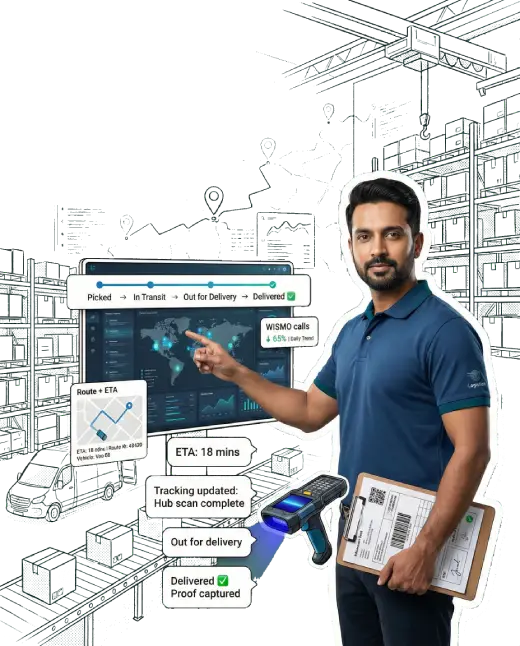
Trigger ETA, tracking, and delivery-confirmation messages to reduce “Where is my order?” calls and improve customer updates.
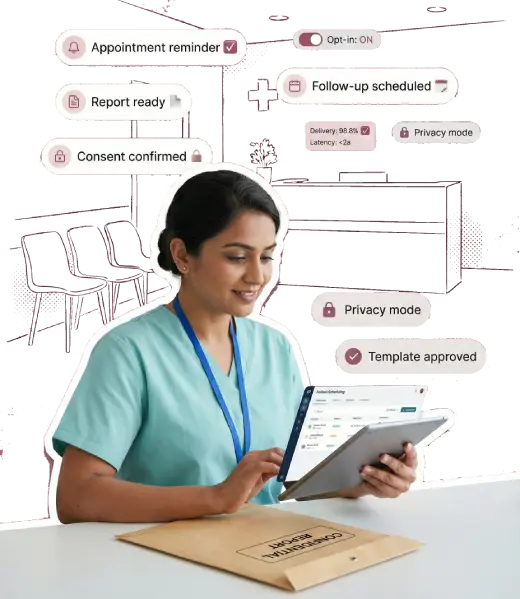
Healthcare: OTP SMS protects patient logins and helps control access to medical records and appointment portals.
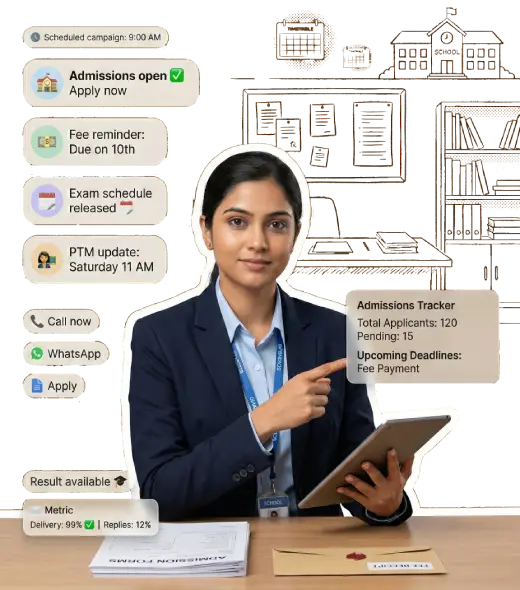
Education: OTP SMS supports student login, admissions journeys, and exam portal access.
Telecom & utilities: OTP SMS helps verify identity for SIM/account actions and profile updates.
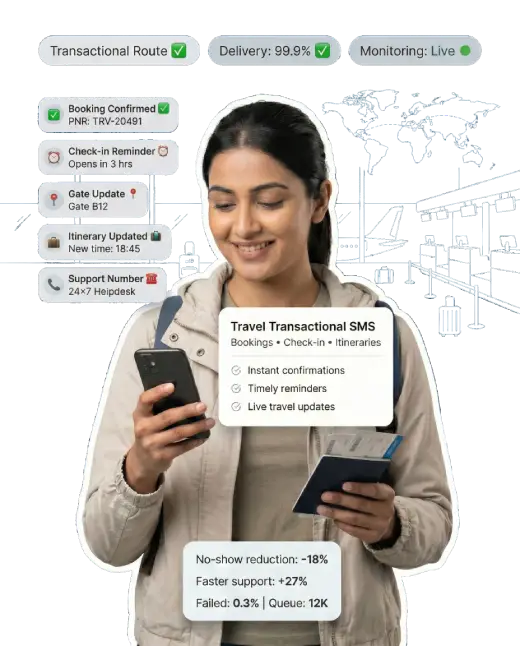
Send booking confirmations, check-in reminders, itinerary updates, and support numbers for a smoother journey experience.
Delivery assurance means you can see what happened: real-time DLR, failure reasons, routing insights, and performance metrics to improve OTP completion over time.
In India, messaging compliance focuses on traceability and template governance. TRAI has clarified that message traceability requirements should not delay delivery of messages, including OTP-related traffic.
Authentication methods are evolving, but OTP remains relevant. RBI’s “Authentication Mechanisms for Digital Payment Transactions” Directions, 2025 keep 2FA mandatory and include SMS OTP as one accepted factor, with compliance effective 1 April 2026 for regulated entities.
Treat OTP messages as sensitive. Avoid including unnecessary personal data, and protect user data across your verification stack.
Sender ID and template discipline help reduce rejections and protect brand trust. In India, content templates commonly include fixed + variable parts and are registered for messages sent via registered headers.
SMS OTP works on most phones without an app. App tokens and biometrics can be stronger for some use cases, but they depend on device compatibility and user onboarding—OTP remains a practical option for broad reach.
| Method | Strengths | Limitations | When Turain’s OTP SMS is Best |
|---|---|---|---|
| SMS OTP | Universally reachable (no app needed), familiar to users, supports DND / restricted numbers | Can be intercepted, possible delivery delays, cost per SMS | When you need wide reach, instant deployment, fallback from app-based methods |
| App-based Tokens / Soft Token | More secure, not dependent on network, lower interception risk | Requires app install, onboarding, device limitations | Great for high-security use, but backup with OTP SMS for users without the app |
| Biometrics | Very strong authentication, seamless user experience on compatible devices | Device compatibility, privacy concerns, compliance requirements | Use optionally or combine with OTP for strong multi-factor authentication |
| Email OTP | Useful when SMS not possible; lower cost | Slower, lower security, delivery may be unreliable | Use as a secondary fallback when SMS fails or when the user prefers email |
Improve reliability by adding fallback channels (Voice/IVR, WhatsApp, RCS, or email) for cases where SMS delivery is delayed or fails.
Bulk SMS (Promotional) is best for offers and announcements. Keep promotional traffic separate from OTP and transactional messaging.
Read More
WhatsApp Business API and RCS enable richer, interactive messaging (buttons, media). They can also act as optional fallback channels for selected verification journeys.
Read More
Transactional SMS is ideal for non-OTP critical updates such as service alerts, delivery status, and account notifications.
Read More
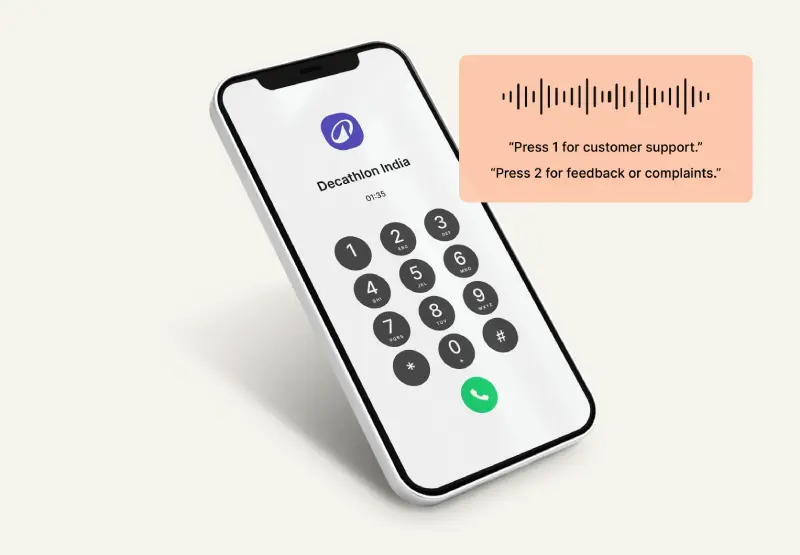
Voice Call / IVR can be used as voice OTP fallback when SMS delivery is unreliable or when the user can’t read messages.
Read More
OTP validity is typically kept short (often a few minutes) to reduce risk while still allowing users to complete verification.