Save 50% for 12 months — limited-time offer. Get started today.

AI-Powered Cloud IVR System for Businesses (Conversational IVR + Smart Routing)

Conversational AI IVR That Understands Speech, Routes Correctly & Falls Back to WhatsApp/SMS

Reliable, Scalable Cloud IVR for Peak Call Volumes & Business-Critical Support

High delivery uptime icon
High-Availability Cloud IVR (SLA-Ready Uptime)

An enterprise-grade IVR service infrastructure ensures continuous operation, achieving 99.9% system uptime with redundant routing and real-time monitoring safeguards.
Multilingual IVR icon showing language and accent support
Multilingual IVR + Accent Support (10+ Languages Available)

The adaptive AI-powered IVR recognizes diverse accents and supports over ten languages, delivering inclusive accessibility across all customer segments.

Smart call routing icon for faster IVR resolution
Faster Call Resolution with Smart Routing & Self-Service

Streamlined workflows in the AI-powered IVR reduce resolution time significantly, ensuring faster interactions through accurate recognition and guided responses.
IVR self-service call containment icon
Better Self-Service & Call Containment (Reduce Agent Load)

Each interaction flows through a scalable cloud BPO performance framework, where technology integrates with trained professionals, ensuring responsiveness, accuracy, and empathy remain constant throughout every communication channel managed efficiently.

Industry-ready cloud IVR icon for multiple business sectors
Trusted Across Key Industries: Healthcare, Finance, E-Commerce & Logistics

Versatile IVR service deployments cater to industry-specific needs, providing scalable automation for regulated and high-volume communication environments.

What Is an IVR System (Interactive Voice Response) & How It Helps Your Customers

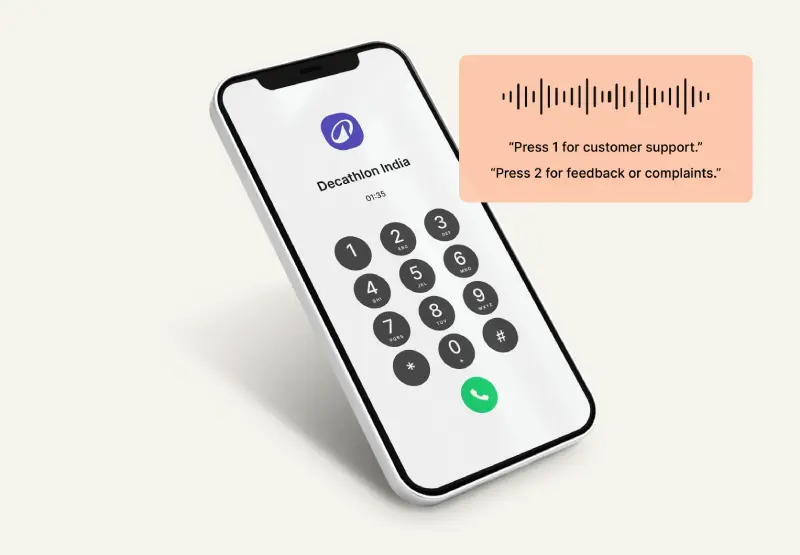
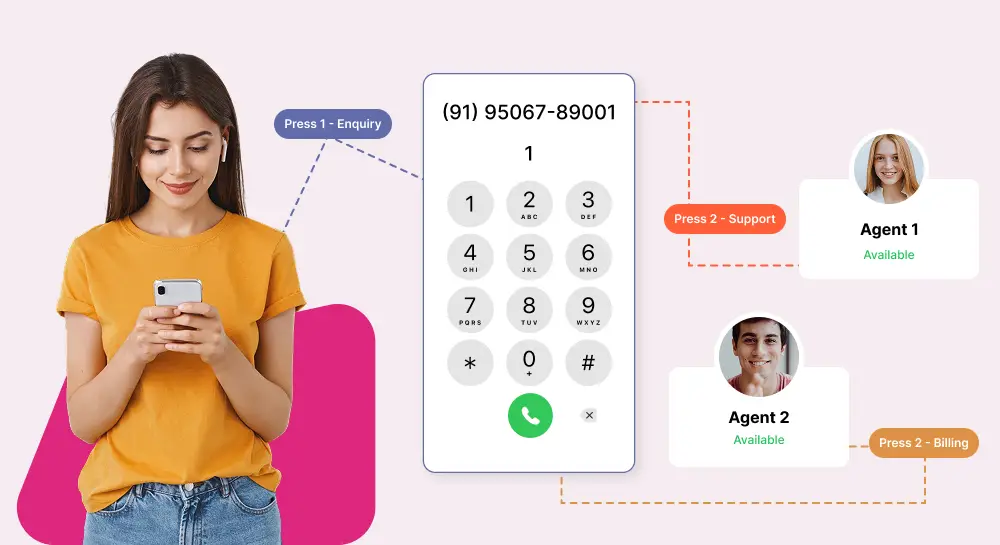
Interactive Voice Response (IVR) is an automated telephony system that allows callers to interact using pre-recorded voice prompts, keypad (DTMF), or natural speech. The self-service IVR can offer options like checking order status, appointment reminders, or basic FAQ without needing a live agent.

When enhanced with AI, an IVR becomes conversational IVR — supporting speech recognition IVR, intent detection, and routing logic. Turain Software implements conversational IVR solutions so callers can say what they need instead of navigating rigid menus.

Because not every caller can or will use IVR, our system supports fallback: when the self-service IVR can’t serve the purpose, it routes to Voice Call or sends follow-ups via Bulk SMS or WhatsApp for continuity.

Customer using an IVR system on a phone call

Modern IVR Features: DTMF Menus, Speech Recognition, AI Intent & Smart Call Routing

Smarter IVR with AI for faster routing, reduced wait times, automated responses, real-time intent detection, personalization, and seamless human fallback.

Speech Recognition + Natural Language IVR (Conversational IVR)

The intelligent self-service IVR uses natural conversation and speech recognition to understand caller intent without manual keypresses.

DTMF (Keypad) IVR Menus for Every Caller

Dual interaction support enables self-service IVR operation through keypad entry, ensuring inclusivity for non-verbal communication scenarios.

AI Intent Detection + Context (Smarter Routing & Fewer Repeats)

Advanced AI intent detection recalls caller history, interprets tone, and delivers accurate routing through contextual understanding.

Self-Service IVR Tasks (Status Checks, Booking, FAQs, Payments)

Automated workflows in the self-service IVR simplify routine operations like order tracking, appointment scheduling, and account inquiries efficiently.

Voice Prompts (TTS/Recorded) + Brand-Consistent Scripts

Dynamic prompts combine TTS automation with call transcription, ensuring natural voice consistency and branded message clarity.

Multi-Language, Accent-Tolerant AI IVR

A multilingual IVR framework adapts across regional accents, ensuring accessibility and consistent engagement across diverse demographics.

Smart Call Routing + Skill-Based Escalation to Agents

Predictive routing algorithms enhance AI intent detection, escalating complex issues to suitable agents seamlessly when required.

Recording + Transcription + IVR Analytics (Quality & Insights)

Automated call transcription enables real-time analytics, sentiment tracking, and performance insights for decision-driven communication management.

WhatsApp/SMS Fallback (If Voice Fails, Conversation Continues)

Integrated fallback channels maintain continuity, rerouting unresolved interactions to voice, WhatsApp, SMS, or RCS systems.

How Turain Builds IVR Call Flows: AI IVR + DTMF + WhatsApp/SMS Fallback

How Our AI IVR Works: Intent Detection → Self-Service → Smart Routing → Agent Escalation

  • Telephone icon for IVR number provisioning
    Step 1: Get Your IVR Number + Routing Ready

    Initial IVR workflow deployment begins with provisioning local voice numbers, configuring greetings, and activating routing preferences for seamless accessibility.

  • Workflow icon for IVR menu and call flow design
    Step 2: Design IVR Call Flow (Menus, Hours, Departments)

    Each IVR workflow integrates menu-based or conversational routes, combining speech recognition and DTMF inputs for responsive interaction flow.

  • Chat icon for training AI intents in IVR
    Step 3: Train AI Intents (Common Questions & Outcomes)

    Specialized intent models leverage CRM and FAQ data, enhancing speech recognition accuracy and improving real-time response classification precision.

  • Outbound call icon for launching IVR and routing calls
    Step 4: Go Live & Route Calls in Real Time

    Upon activation, the IVR workflow dynamically detects speech inputs, engages conversational logic, or defaults to keypad-based navigation.

  • Customer support icon for agent transfer and fallback channels
    Step 5: Add Agent Escalation + WhatsApp/SMS Backup

    Automated fallback escalation transfers unresolved calls to agents, triggering follow-ups through WhatsApp or SMS for consistent user continuity.

  • Dashboard monitor icon for IVR analytics and performance monitoring
    Step 6: Review Analytics & Improve the Flow

    Continuous review of call transcripts refines intent models, reduces menu drop-offs, and strengthens speech recognition for future optimization.

IVR Menu Design Best Practices: Short Prompts, Fewer Steps, Faster Resolutions

Create intuitive menus, minimize wait times, personalize every interaction, offer smart self-service first, and ensure seamless agent transfer when needed.

Keep IVR Prompts Short & Menus Shallow (Reduce Caller Drop-Off)

Concise scripting remains central to IVR best practices, minimizing confusion and ensuring callers reach their destination efficiently.

Offer Both Speech + DTMF Input (So Every Caller Can Complete the Flow)

Balanced interaction design incorporating speech and keypad input accommodates diverse users and enhances accessibility within voice interfaces.

Use Natural Voice Prompts (TTS/Recorded) That Match Your Brand Tone

Authentic tone consistency strengthens trust and maintains emotional engagement through natural prompts aligned with brand character.

Always Include “Talk to an Agent” (Prevent Frustration & Escalate Faster)

Every IVR best practices framework includes escalation options, ensuring human assistance when automated resolution becomes insufficient.

Add Multilingual IVR + Accent Tolerance (Better India-Wide Caller Experience)

A multilingual IVR configuration builds inclusivity, fostering effective communication across regional languages and accent differences effortlessly.

Design Strong Error Handling (Retry, Re-phrase, Offer DTMF, Then Escalate)

Adaptive language feedback reduces friction, helps recovery, and ensures continued interaction without losing caller intent.

Enable Barge-In Where Possible (Faster Calls, Less Waiting)

Enabling barge-in capabilities improves user control, accelerates interactions, and demonstrates responsiveness within conversational systems.

Offer Callback & Off-Peak Scheduling (Reduce Missed Calls & Queue Pressure)

Callback mechanisms mitigate wait times, distribute load evenly, and optimize overall IVR best practices efficiency.

Track IVR Analytics (Abandonment, Drop-Off, Intent Mismatch) & Improve Monthly

Tracking call abandonment rates and drop-offs provides actionable insights, enabling continual design refinement and improved conversational flow.

IVR Use Cases by Industry: Retail, Finance, Logistics, Healthcare & Utilities

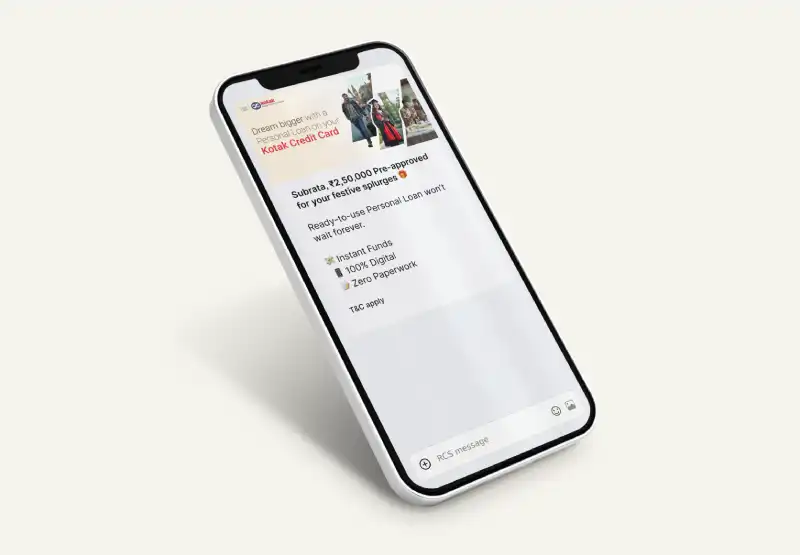
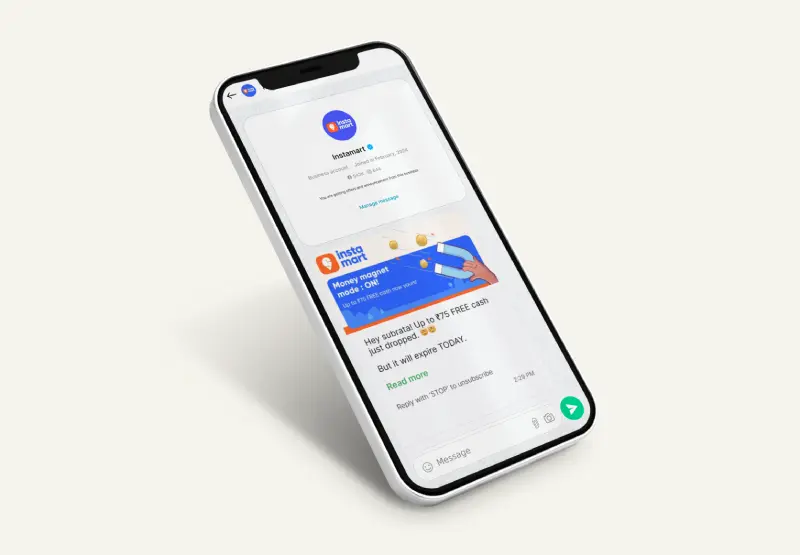
RCS helps businesses across industries deliver interactive, media-rich messages that improve customer engagement, response rates, and overall communication efficiency.

  • Retail & E-commerce

    IVR for Retail & E-Commerce (Orders, Returns, Store Support)

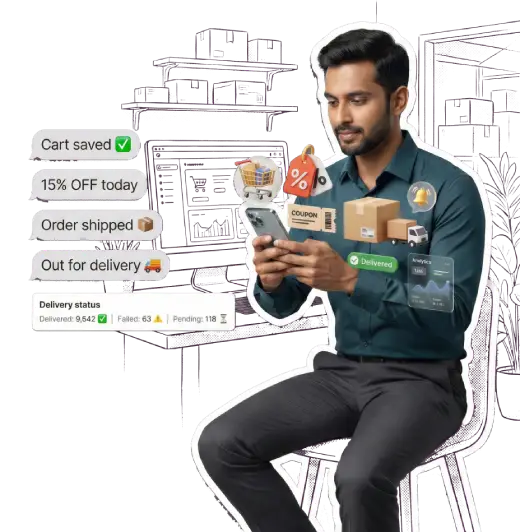
    The self-service IVR in e-commerce manages order status IVR requests, return verifications, and delivery notifications, creating faster resolutions with conversational guidance.

    IVR use case for retail and e-commerce: carts, orders, returns and support
  • Banking & Finance

    IVR for Banking & Finance (Verification, Queries, Collections, Support)

    Automated systems handle balance inquiries, fraud screening, and payment updates via self-service IVR, improving efficiency and ensuring secure communication.

    IVR use case for banking and finance: verification, queries and collections
  • Logistics / Delivery

    IVR for Logistics & Delivery (Tracking, Delivery Updates, Pickup Support)

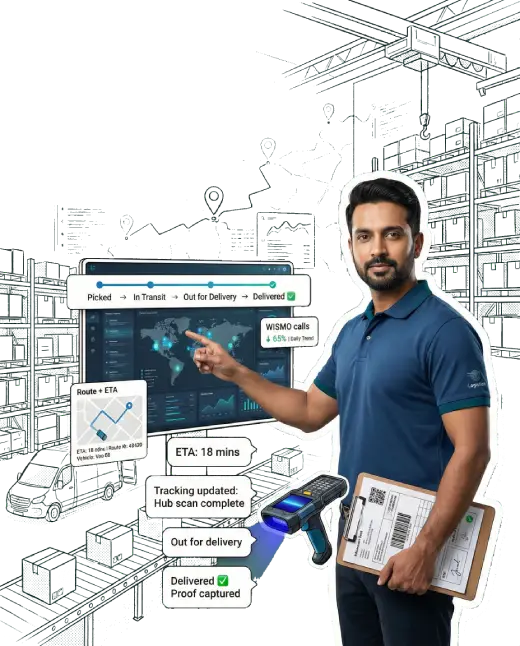
    Shipment tracking, delivery time notifications, and driver coordination operate through self-service IVR, supported by fallback SMS IVR for real-time status continuity.

    IVR use case for logistics and delivery: tracking, delivery updates and pickup support
  • IVR for Healthcare (Appointments, Reminders, Patient Support)

    Healthcare

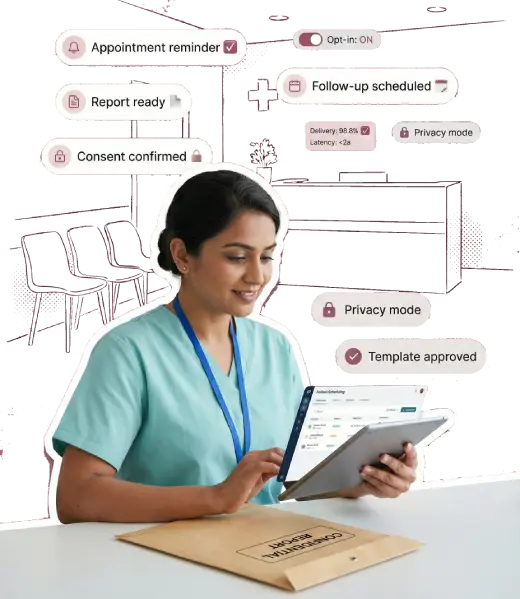
    The IVR in healthcare manages appointment reminders, patient triage, and follow-up automation, reducing wait times through smart call routing and fallback SMS IVR.

    IVR use case for healthcare: appointment booking, reminders and patient support
  • Omnichannel Integration

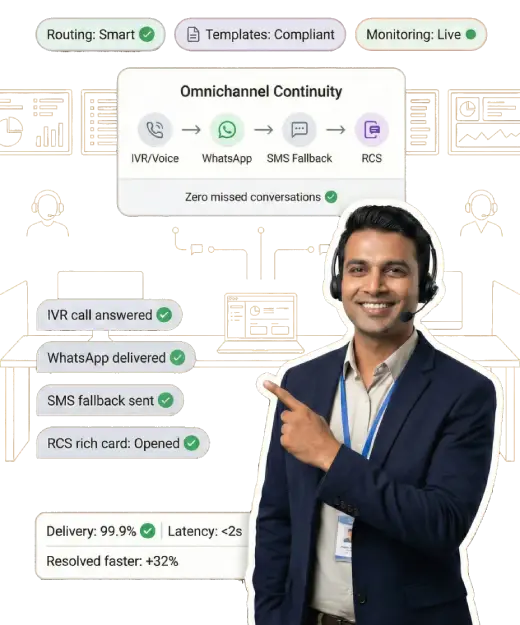
    Omnichannel Continuity: IVR + WhatsApp + SMS + RCS for Zero Missed Conversations

    Combining IVR with Voice Call, fallback SMS IVR, and WhatsApp APIs ensures consistent communication, maximized reach, and enhanced satisfaction across industries.

    Omnichannel IVR use case integrating IVR with WhatsApp, SMS and RCS
  • Telecom & Utility

    IVR for Telecom & Utilities (Outage Info, Service Requests, Billing Help)

    Bill reminders, service outage information, and plan subscription management leverage self-service IVR, integrated with WhatsApp and SMS fallback to improve accessibility.

    IVR use case for telecom and utilities: outage alerts, billing and service requests
  • Omnichannel Integration

    Omnichannel Continuity: IVR + WhatsApp + SMS + RCS for Zero Missed Conversations

    Combining IVR with Voice Call, fallback SMS IVR, and WhatsApp APIs ensures consistent communication, maximized reach, and enhanced satisfaction across industries.

    Social Intranet
Popular IVR Flow Examples + How WhatsApp API Improves Fallback & Customer Satisfaction

IVR Analytics & Optimization: Drop-Offs, Containment, Routing Accuracy & CX Gains

At Turain, IVR isn’t “set & forget.” We give you tools to monitor and improve.

IVR Call Transcripts & Speech-to-Text Logs
Detailed call transcripts provide visibility into caller intent, enabling refined training and smarter response handling through consistent IVR analytics.
Intent & Sentiment Insights (Why Callers Struggle)
Automated sentiment detection measures tone and emotion, identifying frustration or urgency to guide real-time routing and quality improvements.
IVR Dashboard Metrics (Drop-Offs, Containment, Routing)
Performance dashboards track call abandonment rate, containment levels, and handle time, supporting continuous monitoring of IVR efficiency and responsiveness.
A/B Testing IVR Prompts & Call Flows (Improve Completion)
Systematic testing within IVR analytics compares prompt clarity and menu structure, revealing optimal designs that reduce friction and improve navigation.
Ongoing Model Updates & Flow Improvements
Ongoing updates refine sentiment detection, enhance linguistic diversity, and adapt speech models to new accents, patterns, and evolving business needs.

Choosing the Right Channel: IVR vs Voice, SMS, WhatsApp & RCS (Real Scenarios)

Understand the strengths of every channel — use IVR for routing, Voice Calls for urgency, SMS for reach, WhatsApp/RCS for rich engagement — and choose the right one for each customer scenario.

Channel Best For Limitations Turain Hybrid Strategyt
IVR (AI-powered) Self-service, routine queries, appointment reminders; when callers prefer voice Not great for deep conversation; speech recognition errors; device constraints Use IVR + fallback to Voice Call / SMS / WhatsApp for reach and human backup
Voice Call / Voice API Personalized support, complex assistance, escalation from IVR Higher cost; needs agent availability Use voice escalation when IVR fails or for priority interactions
Bulk SMS Quick notifications, fallback messages Text only; lower engagement for conversation-style interactions Use SMS fallback when voice or IVR is not effective
WhatsApp API / RCS Rich media messaging, chat, interactive support Depends on user having supported app / device compatibility Combine with IVR and voice in an omnichannel strategy for best reach

Results You Can Expect from AI IVR: Faster Routing, Better Self-Service, Happier Callers

A fintech company that outsourced back-office document processing to Turain’s cloud BPO with AI extraction tools → reduced processing time by 50%.

Ecommerce brand that reduced call volume by 50% using self-service IVR for order tracking + fallback SMS when information not found.

Finance company that used multilingual IVR + intent detection to route fraud concerns immediately → improved first contact resolution.

One Platform for Voice + Messaging: IVR, Voice Calls, SMS, WhatsApp & RCS

Seamlessly integrate SMS, WhatsApp, RCS, Email, Voice, and IVR under one platform — unified workflows, shared analytics, and consistent customer experiences across every channel.

Bulk SMS messaging for IVR fallback notifications and updates
Bulk SMS Service

Automated Bulk SMS campaigns deliver timely alerts, transactional updates, and fallback messages, maintaining continuity when voice interactions cannot connect.

Read More
RCS rich messaging for interactive customer updates from IVR
RCS Messaging

Through RCS Messaging, interactive visuals, buttons, and multimedia enrich the customer journey, enhancing retention and engagement beyond traditional text-based systems.

Read More
WhatsApp Business API integration for IVR fallback support
WhatsApp Business API & RCS

The WhatsApp Business API supports media-rich follow-ups, enabling multimedia engagement and reliable fallback communication when IVR calls experience interruptions.

Read More
Voice calling service for IVR escalations and outbound calls
Voice Call Service

Integrated Voice Call Service enables live communication, ensuring seamless IVR escalations and uninterrupted customer interactions when automation reaches its limits.

Read More

Book a Demo: Launch Your Cloud IVR with AI, Routing, Integrations & Fallback

Build a Conversational IVR That Reduces Agent Load—With SMS/WhatsApp/Voice Backup

Need immediate assistance? Call us now at +91 9230996919 or drop an email at support@turaingrp.com

Support representative illustration inviting users to book an IVR demo

IVR FAQs: Pricing, Setup Time, Languages, Integrations, Recording & Compliance

Common IVR Questions: Scalability, Onboarding, Security, Recording & Service Delivery
  • Traditional IVR uses pre-set menus and keypad inputs, while AI IVR vs traditional IVR comparisons highlight advanced systems that understand natural language, detect intent, and route calls intelligently through voice interactions.

Schedule a Consultation
Chat on WhatsApp