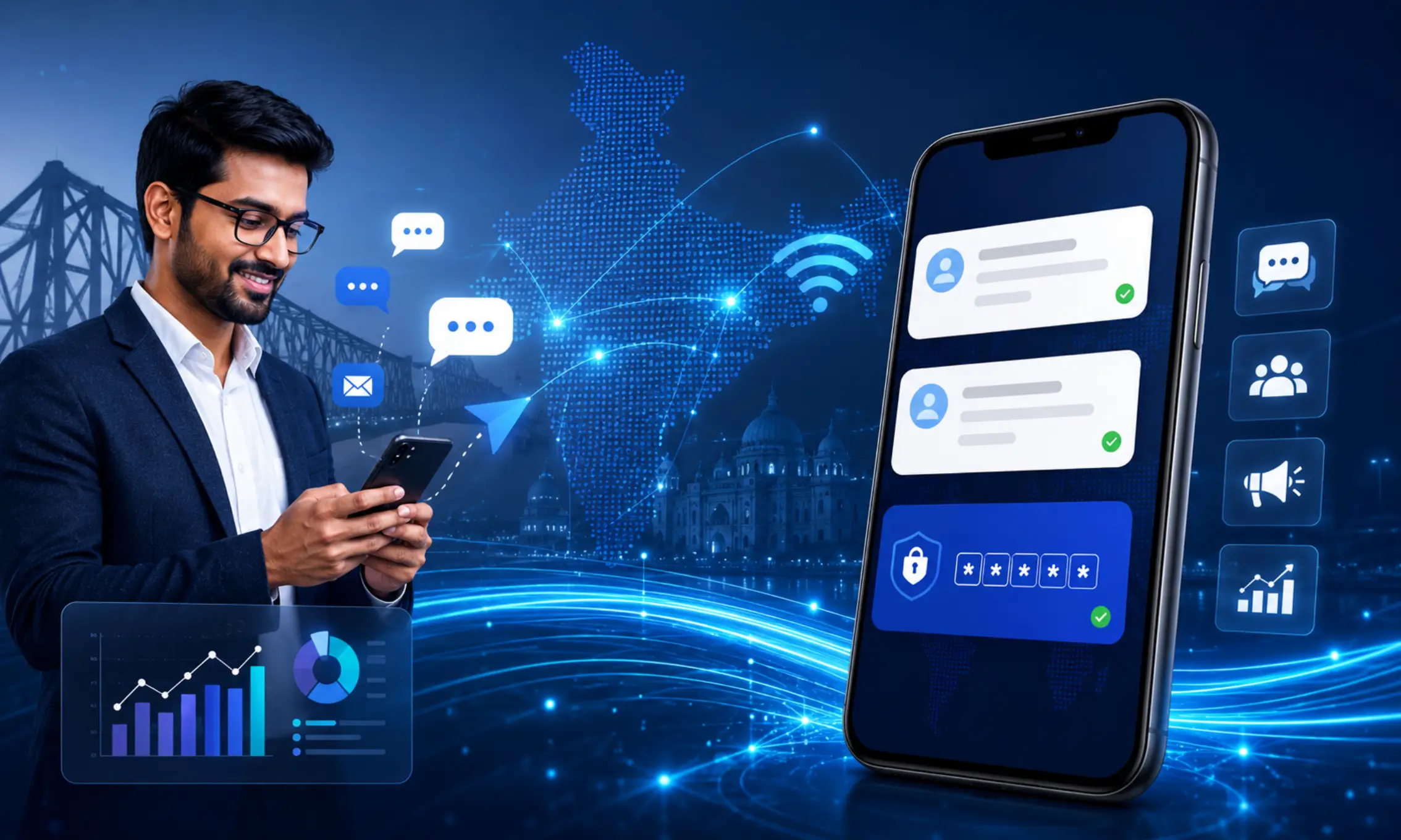
Turain is a Bulk SMS Service Provider that helps businesses send promotional, transactional and OTP SMS with DLT-ready setup, SMS API integration, sender ID support and delivery reports.
Built for high-volume Bulk SMS sending with routing, monitoring and delivery reports, so OTPs, alerts and campaigns stay dependable for growing businesses.
Reliable infrastructure helps keep Bulk SMS traffic stable during peak sending windows, with delivery reports to track delivered, failed and pending statuses.
Run Bulk SMS campaigns across regions with compliant setup support, sender ID mapping and transparent delivery reporting.
Built for high-throughput Bulk SMS sending with scheduling, API support and reporting, so teams can send at volume and optimise with real delivery data.
Businesses use our Bulk SMS service for OTPs, alerts, reminders and service updates where reliable delivery and compliance matter most.
Send Bulk SMS with DLT-ready support, SMS API access, stable routing and clear delivery reporting for promotions, alerts and OTP traffic.
From DLT setup and sender ID approval to SMS API sending, delivery tracking and optimisation, this is how businesses launch and manage Bulk SMS campaigns with Turain.
Start with DLT essentials: entity setup, Sender ID (Header), and template approval—so sending stays compliant and consistent.
Write short, clear SMS templates and add variables (like {name}, {order_id}) while keeping the message format consistent.
Select the best route for your traffic type and use failover options to maintain delivery stability.
Use delivery reports to review delivered/failed/pending and optimize timing, routing, and list quality.
As your Bulk SMS Service Provider, Turain helps businesses run OTP, alert, reminder and promotional workflows with compliant setup, trigger-based sending and delivery reporting.
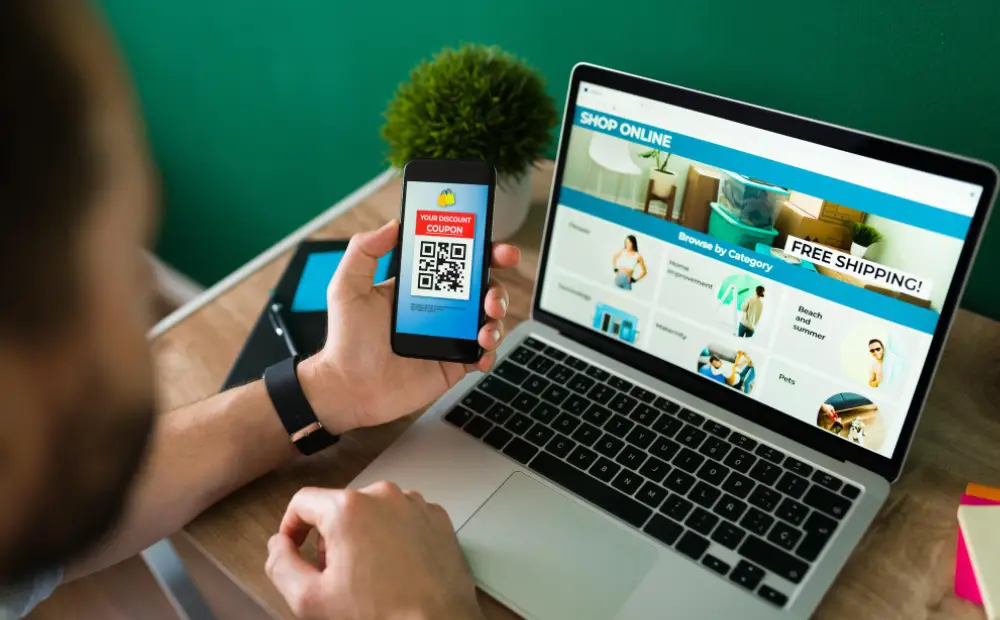
Recover carts, share offers, and send order/delivery updates with short, template-aligned messages and measurable delivery status.
Send OTPs and critical alerts for banking workflows using transactional routes and approved templates for consistent delivery.
Trigger ETA, tracking, and delivery-confirmation messages to reduce “Where is my order?” calls and improve customer updates.
Send appointment reminders, report-ready notifications, and follow-ups while keeping opt-ins and message privacy in mind.
Share admissions, fee reminders, exam schedules, and parent updates with scheduled campaigns and clear CTAs.
Broadcast citizen advisories and public updates with compliant templates and monitoring for large-scale reach.
Use Bulk SMS as the primary delivery channel and extend key workflows with optional fallback communication when your use case needs added continuity.
For Bulk SMS in India, DLT setup typically includes Principal Entity registration, Sender ID registration and approved templates, with consent management where applicable. We guide you through each step.
We help you complete entity onboarding and align your sending flow with required registrations so campaigns don’t get blocked due to missing setup.
Create, manage, and map Sender IDs (Headers) to the right template types—so brand identity stays consistent across outbound messages.
Write clean templates with allowed variables (like {name}, {otp}, {order_id}) and keep the final message format aligned to the approved template.
Maintain opt-outs and consent-based lists for promotional traffic and ensure customers can stop messages easily where rules apply.
When your messaging needs change across regions or traffic types, we help you choose routes that fit compliance, delivery goals and message purpose.
Routing, pacing, retry logic and monitoring all influence Bulk SMS deliverability, while delivery reports help you measure what happened in each campaign.
Redundant infrastructure helps preserve message continuity when one route or system layer faces temporary issues.
Instant failover preserves message continuity during infrastructure faults without service interruptions
Traffic pacing helps reduce sudden spikes that can affect sending consistency and route performance.
Retry logic helps recover some failed attempts without wasting retries on messages that are unlikely to succeed.
Live monitoring helps teams spot delivery drops faster and take corrective action before performance declines further.
Content checks can help identify risky phrasing, template mismatch and other issues before your SMS campaign goes live.
Write clear SMS messages, segment the right audience, optimise timing and track performance so your Bulk SMS campaigns stay useful, compliant and measurable.
| Keep Messages Concise & Clear | Keep one goal per SMS. Use simple language, a clear CTA, and a template-aligned format. Avoid stuffing multiple links or messages into one send. |
| Use Personalisation & Segmentation | Segment by behavior (new vs returning, city, product interest). Use light personalization like {name} or {order_id} without adding sensitive details. |
| A/B Test Message Variants | Test one change at a time (offer vs CTA vs tone). Compare delivery + clicks/responses to learn what actually improves outcomes. |
| Optimise Send Times Using AI | Schedule promotional campaigns for high-attention windows; keep OTP/alerts instant. Use reports to find times that reduce pending and improve response. |
| Clean Contact Lists Regularly | Remove duplicates and invalid numbers regularly. Respect opt-outs and keep lists clean to protect deliverability and reporting accuracy. |
| Always Include Opt-Out Instructions | For promotional traffic, include an opt-out line where applicable and ensure your opt-out flow works reliably end-to-end. |
| Use Multi-Channel Fallback Intelligently | If SMS is delayed or restricted, trigger WhatsApp/RCS/Voice fallback based on consent and channel availability—so critical messages still reach users. |
Use support tools to refine SMS copy, review timing decisions and flag risky formatting before sending, so the final message stays accurate and template-aligned.
Create short SMS variants and CTA options so your team can test what performs best while keeping the approved structure intact.
Review recommended delivery windows based on your past campaign patterns and response trends while keeping full control of scheduling.
Support confirmations, feedback and basic reply flows with SMS automation where your use case allows it.
Classify replies such as confirm, cancel or help so teams can route responses faster and measure outcomes more clearly.
Check for possible compliance risks like heavy link usage, suspicious phrasing or mismatched template structure before sending.
Use ready-to-adapt SMS templates for promotions, reminders, OTPs and alerts, then align the final version with your approved template and traffic type before sending.
Order Confirmation
Ecommerce
Hi {name}, your order #{order_id} is confirmed. Track: {link}. Reply STOP to unsubscribe.
Appointment Reminder
Healthcare
Dear {name}, your appointment at {clinic} on {date} at {time}. Reply YES to confirm.
Promotional Offer
Business
FLASH SALE: 20% off today only! Visit {link}. Reply STOP to opt-out.
Download ready resources to speed up setup—templates, checklists, DLT guidance, and API samples—so you can launch campaigns faster with fewer rejections.
A simple checklist to prepare your header/templates, list hygiene, timing, and reporting before you send at scale.
Copy-ready template examples for common industries (OTP, alerts, reminders, promos) with variable placeholders you can adapt.
A practical guide explaining what you need for DLT setup and how to avoid common approval/rejection mistakes.
API quick-start samples (cURL/Python/Node) to send SMS, read delivery reports, and integrate into your CRM/app flow.
Run one CPaaS flow across channels—SMS for reach, WhatsApp for rich conversations, RCS for branded experiences, and Voice/IVR for urgent alerts—based on consent and availability.
Transactional/OTP SMS for logins, payments, order updates, and critical alerts—built for speed, routing stability, and clear delivery reporting.
Read More
WhatsApp Business API for rich templates, buttons, media, and support flows—with optional fallback from SMS when needed.
Read More
RCS Messaging for branded, interactive experiences in supported default messaging apps (rich cards, buttons, verified brand feel).
Read More
Voice & IVR alerts for urgent cases—deliver when a user can’t receive SMS and confirm actions via keypad input or callbacks.
Read More
Promotional SMS is used for marketing offers, while transactional SMS is used for critical updates like alerts and OTPs. The route and compliance requirements differ by traffic type.